
Scalp Psoriasis and How To Manage It
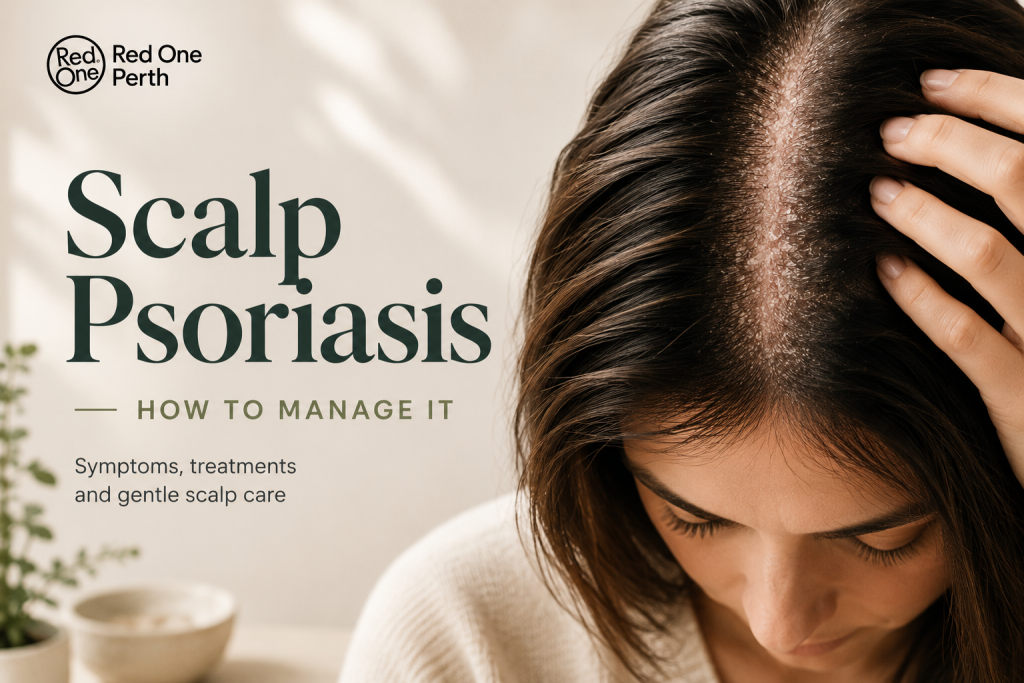
Table of Contents
If your scalp is itchy and flaking and the usual anti-dandruff shampoos don’t seem to be helping, it’s frustrating. If this sounds like something you know, the cause may be scalp psoriasis. If you are having problems with constant itchiness, thick patches or red patches that don’t seem to get better, you are not alone.
Scalp psoriasis is a common autoimmune skin disease that causes the skin cells to grow faster than normal, forming dry, thick, and scaly patches on the scalp. This condition can affect people of any age, but it is most frequently diagnosed between 15 and 25 years, or later between 50 and 60 years.
In this guide we are going to cover common symptoms, possible triggers, treatment options and simple ways to keep your scalp feeling healthier and more comfortable.
Common Symptoms of Scalp Psoriasis
Scalp psoriasis looks different on different people. Some people get a mild flaking, others get thicker plaques and irritation that continues.
Symptoms may include:
- Red scaly patches with thick silvery-white scales.
- Itchy scalp that can be worse during flare-ups.
- It is dry, flaky skin that is often mistaken for stubborn dandruff.
- Burning, tenderness, or pain to affected areas.
- Temporary hair loss from scratching or inflammation, rather than from the condition itself.
If these symptoms persist when you use standard anti-dandruff products consider investigating scalp psoriasis treatment or see a health professional for the correct advice.
What Can Trigger Scalp Psoriasis?
Gentle scalp care and small lifestyle changes may help reduce flare ups over time.
How to Manage Scalp Psoriasis
The secret to managing scalp psoriasis isn’t finding that one miracle product, it’s about creating a routine that works for your scalp. The right treatments and gentle hair care can help to reduce itching, flaking and discomfort, while keeping your scalp healthier in the long run.
Start with the Right Scalp Psoriasis Shampoo
A medicated shampoo is often a first step in treating scalp psoriasis. During flare-ups, the Australian dermatology guidelines recommend using one as directed by your healthcare professional, then reducing use to once or twice weekly once symptoms are under control.
Australian dermatology guidelines suggest leaving medicated shampoos on the scalp for three to five minutes before rinsing.
When choosing a scalp psoriasis shampoo, look for ingredients such as:
Ingredient | How It Helps |
Salicylic Acid | Softens and removes thick scales so other treatments can work better. |
Coal Tar | Slows the rapid growth of skin cells and helps reduce redness and scaling. |
Ketoconazole | Helps if scalp psoriasis occurs alongside a fungal scalp condition. |
Zinc Pyrithione | Helps reduce mild flaking and supports a healthier scalp. |
At Red One Perth we’ve helped many clients select gentle scalp care products for dry, itchy and sensitive scalps.
Keep Your Scalp Hydrated
Another key part of managing psoriasis is keeping your scalp hydrated, as a dry scalp can make itching and irritation worse. After shampooing, apply a gentle conditioner for dry scalp. This will help lock in moisture and reduce dryness without weighing down hair.
Choose products that do not contain harsh fragrances or ingredients that might irritate sensitive skin.
If you are after a deeply hydrating shampoo to soothe dry, distressed skin between flare-ups, the12R Argan Oil Shampoo from Red One Perth is a great option. It combines nourishing Argan Oil with hydrating Coconut, Avocado, and Macadamia oils to deeply moisturise the scalp, eliminate flaking, and calm dryness. For more details, visit 12R Argan Oil Shampoo 400ml.
It is not a cure for scalp psoriasis but many customers who suffer from itchy, sensitive scalps have had good experiences using it as part of their normal scalp care routine.
Soothe Your Scalp with a Leave-In Treatment
A leave-in scalp treatment after shampooing your hair can help keep your scalp feeling cool and comfortable all day long.
TheRed One Hair Tonic refreshes, energises, and tones the scalp while supporting a lush appearance through stimulating blood circulation. It provides a cooling, comfortable sensation to mitigate scalp itching or irritation. For more details, visit Red One Perth.
Just rub a small amount into a clean scalp and leave it in, no need to rinse it out.
Daily Habits for a Healthier Scalp
Taking care of your scalp is about more than the products you use. Adopting healthy lifestyle habits may help minimise flare-ups and promote your overall wellbeing.
Attempt to:
- Regular exercise, walking, or relaxation techniques help control stress.
- Maintain a healthy weight.
- Limit smoking and alcohol, where possible.
- Follow the Australian sun safety advice and get some gentle sun exposure outside the peak UV times.
- Don’t scratch. Even if your scalp feels itchy, scratching can increase irritation and cause temporary hair loss.
A good daily routine combined with proper scalp psoriasis treatment can keep your scalp healthy and comfortable.
Medical Treatments for Scalp Psoriasis
If your symptoms are more severe or do not improve with your usual scalp care regime, your GP or dermatologist may suggest stronger treatment options for scalp psoriasis. What is the right treatment? That depends on the severity of your condition and how your scalp reacts over time.
Common treatments include:
- Corticosteroids to reduce inflammation, redness and itching in flare-ups.
- Vitamin D analogues to slow down the rapid growth of skin cells.
- Coal tar treatments to help reduce plaque and scaling.
- Salicylic acid treatments soften thick scales and make other treatments more effective.
- Phototherapy (UVB light therapy), Controlled ultraviolet light to help manage moderate to severe psoriasis.
- Oral medications or biologic treatments, often prescribed for more serious cases in specialist settings.
If you have been prescribed medication for psoriasis of the scalp continue to follow your dermatologist’s advice and maintain a gentle scalp care routine to help you get the best possible results.
Build a Gentle Scalp Care Routine
Managing scalp psoriasis is often easier when you stick to a routine rather than changing products too often.
Small daily habits can help you feel comfortable.
Healthy Habit | Advantages |
Hydrate your scalp | Helps prevent dryness and makes your scalp feel more comfortable. |
Rinse your hair with warm water | It doesn’t dry or irritate your scalp like hot water can. |
Use a gentle scalp psoriasis shampoo as directed | Helps control itching, flaking and irritation as directed. |
Do not pick or scratch the scales | Helps prevent further irritation, bleeding and temporary hair loss. |
Get plenty of exercise or learn how to relax | It can help reduce stress, which is a common trigger for psoriasis flare-ups. |
Eat a balanced and healthy diet | It helps support overall health and may help reduce inflammation over time. |
These psoriasis on scalp remedies are best used in conjunction with the treatment plan your healthcare professional recommends.
When Is It Worth Getting Professional Advice?
People can manage mild scalp psoriasis at home but it’s sometimes worth speaking to your GP or dermatologist.
Seek professional advice if you:
- You are using the right scalp care products but your symptoms are getting worse.
- The itching is painful or interferes with sleep.
- Your scalp is bleeding or showing signs of infection.
- You start losing a lot of hair.
- Thick plaques grow beyond your scalp.
- You don’t know if you have scalp psoriasis or some other scalp condition.
A correct diagnosis, made early, helps you to find the most effective treatment and to avoid unnecessary suffering.
Healthy Hair Starts with a Healthy Scalp
Living with scalp psoriasis can be frustrating, but it does not have to take over your everyday life. By knowing your flare-up triggers, using the right treatments and following a gentle scalp care routine, flare-ups can be reduced and the scalp can feel healthier and more comfortable.
At Red One Perth, our team regularly helps customers choose suitable scalp care products for dry, itchy and sensitive scalps. While we don’t diagnose medical conditions, we can recommend gentle products that complement the treatment plan provided by your healthcare professional.
Remember, every scalp is different. Finding the routine that works best for you and sticking with it; is one of the simplest ways to support healthier hair and a more comfortable scalp.
Frequently Asked Questions
Can scalp psoriasis be cured?
There is currently no permanent cure for scalp psoriasis. However, the right psoriasis treatment, medicated shampoos and a consistent scalp care routine can help control symptoms and reduce flare-ups.
Is scalp psoriasis contagious?
No. Scalp psoriasis is an autoimmune condition, which means it cannot be passed from one person to another through contact.
Can colouring or bleaching your hair make scalp psoriasis worse?
Hair colouring doesn’t cause psoriasis, but harsh chemicals may irritate an already sensitive scalp. If you have an active flare-up, it’s usually best to wait until your scalp has settled before colouring your hair.
Can Perth’s weather affect scalp psoriasis?
Yes. Hot summers, dry air and seasonal changes can sometimes trigger flare-ups or make dryness worse. Keeping your scalp moisturised and protecting it from excessive sun exposure may help.