
Stop Itchy Scalp Fast: Ultimate Relief Guide
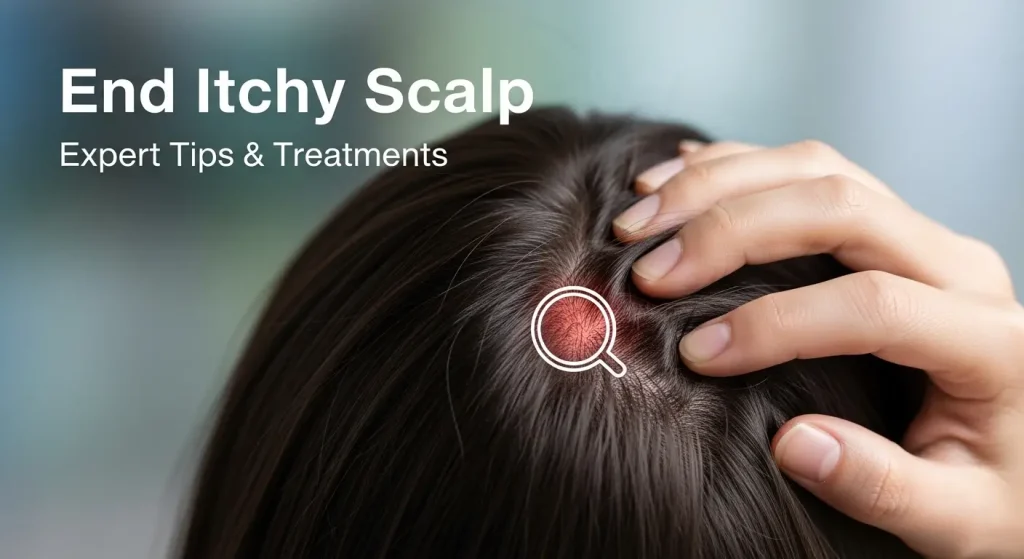
If you’ve ever experienced an itchy scalp, you know how difficult it can be to think about anything else when that irresistible sensation takes over. Scratching your head might bring temporary relief, but it never seems to truly stop the itch—and at some point, you realize this cycle could lead to sores that might become infected. The truth is, many different causes can trigger scalp itchiness, and finding the right approach to get rid of the problem starts with understanding what’s happening on your scalp.
Pruritus, as it’s clinically known, is more accurately identified as a symptom rather than a condition itself—it’s the result of irritation to peripheral sensory nerves that affect your skin. Whether you’re a head pitter, one of those nail scratchers, or someone who relies on scalp massagers as your preferred way to find comfort, we’ve all dealt with itchy scalps at some point. What makes this clinical feature so frustrating is that itching can occur even in healthy scalps, though certain scalp conditions list it as a primary indicator that something needs attention.
Table of Contents
The good news is that relief is absolutely possible once you understand the reasons behind why your scalp itches. Dermatologists emphasize that the key to becoming itch-free lies in identifying which of the 10 most common related conditions might be causing your discomfort—and yes, seeing a doctor is often the smartest move. At Red One Perth, we understand these challenges firsthand, which is why in this blog post, we’ll cover the ways to keep your scalp healthy, explore various treatments that can relieve symptoms, and bring you the advice you need to stop the constant scratching and finally address those underlying causes of your itchy scalp.
What are the Symptoms of Itchy Scalp?
An itchy scalp doesn’t always look or feel the same for everyone because different causes trigger different symptoms that can help identify what’s really going on. You might experience flaky skin that resembles classic dandruff, notice your scalp feels tight and uncomfortable from dry skin, or deal with the opposite problem—oily skin that leaves your hair looking greasy. When irritation escalates, you may develop inflamed skin that appears visibly red, feels swollen and warm to the touch, or shows raised areas with bumpy skin that signal your scalp is struggling with something more serious than simple dryness.
What Causes Itchy Scalp?
An itchy scalp can stem from many possible causes, and figuring out which one affects you is the first step toward relief. From flakes of skin that appear as white specks in your hair to more serious skin conditions, the cause behind your discomfort varies widely. Whether dry skin comes off the scalp and stays in your hair, or a fungus is triggering the problem, each condition presents differently and requires its own approach.
Common conditions that trigger scalp itching:
- Eczema (dermatitis) causes dry, itchy skin that can become inflamed, appearing red on pale skin or brown, purple, or grey on darker skin—eczema is often caused by things that irritate your skin like soap or shampoo, and Eczema can happen on your scalp as well as other parts of your body
- Dandruff shows up when flakes of skin on your scalp create visible white specks in your hair because dry skin comes off the scalp and stays in the hair—sometimes a fungus can cause dandruff, though other skin conditions can also cause dandruff and lead to an itchy scalp
- Psoriasis causes thick, itchy, scaly skin patches known as plaques that feel bumpy or raised—on pale skin, these patches appear red with white scale, while on darker skin these patches show up as brown or purple with grey scale—the rash can also develop on your knees, elbows, and tummy, and Psoriasis can even cause arthritis in some cases
- Head lice are tiny insects that suck blood from a person’s head, which makes the scalp itchy. Head lice breed in the hair, and lice are easily passed from person to person, making them highly contagious
- Seborrheic dermatitis occurs on parts of your body where the skin is oily, and it causes the skin on your head to become red—Seborrheic dermatitis can cause cradle cap in babies, which can look like a thick waxy crust on the scalp of the baby, with the skin under the crust appearing pink or red if your baby has white skin, or lighter or darker than the surrounding skin if your baby has brown or black skin
- Tinea capitis, a fungal infection of the scalp, causes an itchy rash and can cause weeping skin and swollen lymph glands at the back of your head or neck—it may also cause hair loss, and Tinea capitis is sometimes called scalp ringworm since household pets can give you this infection
Identifying which cause is affecting your scalp helps you choose the right treatment and finally get relief from that constant itch. Whether dealing with flakes, managing inflamed skin, or treating a fungal infection, understanding the root problem makes all the difference.
When Should I See My Doctor?
If your scalp feels persistently itchy and home remedies aren’t helping, it’s time to visit your doctor, who can properly diagnose the cause and give you effective treatment options. While an itchy scalp might seem minor at first, ignoring it can sometimes lead to complications that require professional medical attention. Don’t wait until things get worse—early intervention makes all the difference.
Signs you need professional help:
- When you scratch your head repeatedly and break the skin, you let bacteria in, which can lead to infection. If this happens, your itchy scalp can become infected, and your doctor may need to give you antibiotics to properly treat the infection
- If the itching persists for more than two weeks despite trying over-the-counter treatments, it’s a clear signal that you should visit your doctor to get the right diagnosis and appropriate treatment options
- When you notice unusual symptoms like severe redness, swelling, oozing, or if the infection spreads beyond your scalp, seeking medical help becomes urgent to prevent further complications
Sometimes an itchy scalp can become infected, which can happen when you scratch your head and break the skin—this lets bacteria in and creates an infection that your doctor will need to treat with antibiotics. Getting professional help early prevents minor irritation from turning into something more serious.
How is Itchy Scalp Diagnosed and Treated?
When you visit your doctor to address an itchy scalp, they’ll ask about your symptoms and carefully examine your head to identify the cause. If the reason behind your itchy scalp is not obvious from the initial examination, your doctor may recommend taking a sample of hair, a sample of skin through a skin scraping, or even a biopsy for more detailed analysis. The treatment for an itchy scalp depends entirely on what’s causing it, which is why proper diagnosis matters so much.
Common treatment approaches:
- Treatments include moisturising creams and ointments that help soothe dry, irritated scalp tissue and restore moisture balance to the affected areas
- Special shampoos, such as anti-dandruff shampoos, are often the first line of defense for managing flaking and reducing scalp irritation caused by common conditions
- Specific treatments target particular conditions—head lice treatment involves combing with conditioner and a nit comb or using chemical treatments, while antifungal medicine addresses tinea capitis, corticosteroid lotions help manage seborrheic dermatitis, and psoriasis medication controls psoriasis-related symptoms
- Always talk to your doctor or pharmacist about the best treatment for your specific situation, as they can guide you toward the most effective options based on your diagnosis and medical history
Getting the right diagnosis is crucial because what works for one cause of itchy scalp might not work for another. Talk with your doctor or pharmacist to ensure you’re using the best treatment that addresses your particular condition effectively.
Complications of Itchy Scalp and How to Prevent It
When the cause of your itchy scalp stays untreated, serious complications can develop that go beyond simple discomfort. These complications include alopecia (hair loss), fever, rash or irritation on other areas of the body, and secondary skin infection that requires medical intervention. An itchy scalp can also disrupt your sleep, daily routine, and self-esteem, affecting your overall quality of life in ways you might not initially expect.
Understanding and preventing complications:
- Long-term conditions like dandruff, seborrheic dermatitis, and psoriasis need regular treatment to stay under control—in these cases, regular treatment will prevent the condition from coming back, and certain shampoos can help manage symptoms effectively, so talk to your pharmacist for personalized advice
- Good personal hygiene practices can help prevent many skin conditions from developing in the first place, including maintaining a clean scalp and using gentle products that don’t strip away natural oils
- Head lice are more difficult to prevent, especially among primary school children, since lice don’t fly or jump—they move from one person’s hair to another when heads are close together, which is common when children are playing together
- You can stop the spread of head lice by keeping long hair tied back, checking the hair regularly (especially if there’s an outbreak at school), and avoiding sharing brushes and combs with others
Preventing complications means taking action early—whether that’s through regular treatment for chronic conditions or practicing good personal hygiene to prevent new issues from developing. Talk to your pharmacist for advice on which shampoos and treatments will help keep your itchy scalp under control and prevent your condition from coming back.
Final Thoughts on Managing Your Itchy Scalp
Now is as good a time as ever to bring up the cliche: healthy hair grows from a healthy scalp. While looking after your overall health to avoid itching induced by a medical condition remains important, you can follow these steps to help treat an itchy scalp and maintain a healthy scalp topically. It’s worth noting that an itchy scalp isn’t a standalone issue like many other common scalp-related issues—it’s usually accompanied or regulated by other conditions like dryness of the scalp or flakiness. Ensure you care for your scalp properly to prevent issues from occurring so you can continue to grow healthy hair from a truly healthy scalp. At Red One Perth, we understand that keeping your scalp balanced and healthy requires the right approach and quality products.
You’ve just read about 6 conditions that can cause an itchy scalp, but there are more. If you’re having trouble figuring out what’s causing the itch, be sure to see a board-certified dermatologist—this specialist can give you an accurate diagnosis and create a treatment plan tailored to your needs. Taking professional advice alongside proper care will help you address the root cause and finally achieve lasting relief from that persistent itch.